
The urgent need for high-quality health information
In conversation with:
Sophie Randall, Director the Patient Information Forum
Patient information has come a long way from the photocopied patient leaflets of yore – and the changes are coming thick and fast. Sophie shares a unique bird’s-eye view of the rapid changes to health content, including risks and opportunities.
How has your background shaped your work?
I always wanted to be a journalist and that’s how I started my career – working on housing, environmental and health trade titles. I did a lot of work interviewing people facing public health challenges, and that really, really shaped my thinking on the impact of social determinants on health inequality.
From there, I moved into medical education publishing and in 2020 a colleague and myself set up our own agency, called Oyster Healthcare Communications. We ran it for 20 years and did some good work – especially engaging people with lived experience.
In those days, it was rare to include voices of patients, or even actually healthcare professionals. But it seemed alien to me that you wouldn’t listen to the people you were developing materials for.
When did you start your current role?
In 2017 my kids had grown up and I was ready for a career change. So I wound up the company and was doing some consultancy while I was considering what to do next. Then the job came up at PIF.
I was already a PIF member and I believed passionately in health literacy, user involvement and evidence-based information. And through this role I could influence practice nationally, for the public good. It was the ideal opportunity to do something more purpose driven and aligned with my values.
What’s the most important principle in your work?
Making sure people can find health information they can trust. There’s a high level of misinformation out there. But even when good information is there, it’s not always used. Our Ipsos research found that only one in five people with a long-term condition had been given any information from their healthcare professional post diagnosis. But people value it hugely. So we need to embed this through the NHS app and the new patient health record.
Healthcare professionals and the public should look for the PIF TICK – a trust mark that certifies organisations. It focuses on involving users, measuring impact, accessibility, health literacy and making sure health information is produced by trained professionals using a robust process. So far, we have 150 certified organisations, with more in the pipeline and there’s growing recognition of the tick – including 10% of young people, as a recent study found.
What are the biggest misconceptions you see in your work?
First, that when we’re talking about information, we don’t just mean a leaflet. People need different things at different points on that journey and ‘information’ can take many forms. The first step might be a conversation, for example. But then people don’t always retain information from conversations, so at different times they might need written information, a helpline, a website, video or written content, a self-management app… So it’s about right information at the right time
We’ve developed and tested our Perfect patient information journey – a co-production methodology for health information. This can be used in all care pathways, from long-term conditions to maternity. It identifies the points at which people say they the most need information and support.
The second misconception is how much people understand. Our recommended reading age for health information is 9 to 11. But for a significant proportion of people, even that will be too complex. Low literacy and health literacy aligns to health inequalities.
Meanwhile, in conversations with healthcare professionals, people often say they understand when they don’t, so someone thinks they’ve delivered information, but it hasn’t actually been processed. And shock, sickness and trauma can affect anyone’s ability to understand, whatever their education levels. So health literacy is really important.
What trends are you seeing in health communication?
It’s a time of rapid change. In the US, we’re seeing sweeping changes, with data relating to diversity and inclusion being stripped out of databases like PubMed. That reduces the evidence pool, so it has long-term as well as immediate impacts. It’s completely at odds with the work happening elsewhere, such as improving diversity in clinical trials.
In the Knowledge is power research we did with Ipsos last year, we found quite a significant ethnic disparity in access to information and trust in information. If people don’t feel their views are listened to or respected, this can siphon them towards misinformation.
What’s on the horizon for you?
This year is the fifth birthday of the PIF TICK. In retrospect, 2020 was the ideal time to launch it because the challenge of misinformation has exploded since the pandemic.
It’s now also supercharged now by changes in tech such as AI summaries on search engines, the removal of factchecking on social media and the power of influencers. So there’s never been a more important time to have a credibility mark for health information to help people find health information that is useable, understandable and credible.
All these new technologies have the potential to be good or bad. There are some great opportunities with AI. It can really open up information for people who don’t have English as a first language.
We’re working across sectors, with a range of partners, to look at ways of embedding signposting to trusted sources. We want to support improvements in health and media literacy and promote credibility in health information.
Some of the ideas in the NHS Plan have potential, too. A single health record could be a really powerful tool to embed high-quality health information into people’s journeys. I’m an optimistic person. I do believe we can make these things work for the good of people, but we’ve got to keep up the pressure.
Three tips from Sophie:
1. Seek user input right from the start of your project. It’s easy to make assumptions about what people need.
2. Prioritise health literacy. Use plain language and numbers at the right level for your audience.
3. Focus on dissemination. People often focus on creating content but forget to plan how they’ll get it into people’s hands.
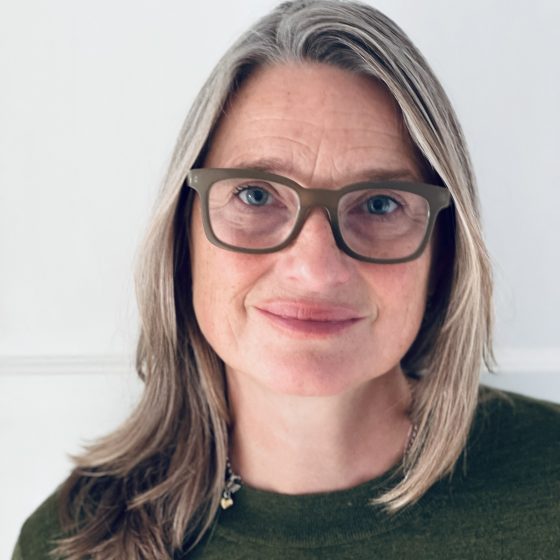
Find out more about Sophie:
Connect with Sophie on LinkedIn.