
Values, voice and reputation
In conversation with:
Darren Caveney, founder of comms2point0
Strong communication sits at the heart of any effective public service, especially in health: building trust, clarity and connection are so important. But, says Darren, sometimes our most important role as communicators is to be the grit in the oyster.
How has your background shaped your work?
I had no plan. School was rough and not somewhere I thrived. I liked English and art but I didn’t get any careers advice. I dropped out of college, drifted through a bunch of jobs and eventually ended up in sales. I hated it. Then one day I noticed the marketing and comms team doing work that blended the bits I liked – writing, design, ideas. I asked if I could join them – but I had no qualifications or experience and they laughed me out of the room.
So I went to night school and studied communications, advertising and marketing. Eventually, I went to university at 25, doing the UK’s first ever PR degree. That changed everything. My first big comms job was working on the Euro 96 football tournament. I’ve been working in comms ever since – in the NHS, local government, utilities and agencies.
Why did you make the switch to the public sector?
Initially, it wasn’t because of values. I just fancied giving it a go. But looking back, the culture and the purpose of the public sector were much more aligned with what I cared about.
Working in health – at Health Education England – gave me a better understanding of how complex, fragmented and fast-moving the sector is. And it’s not just the NHS – so many vital health services are delivered by charities or other providers. In the end, the people doing the work often share the same goals. That’s true across health and other public sector comms.
Now, most of my work is with public sector organisations as a consultant. I still feel like a public sector comms person at heart – and health and wellbeing is a big part of that world.
What’s the most important principle in your work?
I once heard it said that comms people have to be the grit in the oyster and that stuck with me. Sometimes you’re the only person in the room who sees that something is going to go badly wrong, and you have to speak up.
There’s often pressure to just say ‘yes’: get the press release out, put the video live. But we need to ask: is this the right thing to do? Would Apple redesign their brand by running a schools competition? No. So why should we?
Also, we also need to talk about risk. Years ago, I got sent on a health and safety course I’d been dodging but it ended up being brilliant. The facilitator said: ‘What’s the best way to manage a risk? Remove it.’
I still think about that a lot. If we’re honest with ourselves – especially in health and care – a lot of communications work is about patching things up that should have been done properly in the first place. If we’re involved earlier in the conversation, we can help prevent things going wrong in the first place.
What are the biggest misconceptions you see in your work?
There’s still a tendency to think of comms as just delivery – write the content, send the tweet, make it look good. But really, comms is the bridge between strategy and delivery. We translate vision into something that connects.
That means we see the cracks others don’t. For some reason, comms is something everyone thinks they can do! But comms professionals will be asking: ‘What are we really trying to achieve here?’, ‘Who is this for?’, ‘Is it going to land?’ That sometimes makes us unpopular but it prevents people wasting their time and public money.
There’s also a misconception that you can just keep piling on more. ‘More for less’ is a phrase that needs to die. We’ve been saying it since austerity, but it’s misleading. You can’t do 25 things well with no money. Better to do five things that actually make a difference.
What trends are you seeing in health communication?
One positive trend is a shift from vanity metrics to reputation. I know one NHS Trust that’s stopped counting likes and reach. They’re focused on what people are actually saying about them – and they’re seeing results.
Another shift is around platforms. I know some NHS bodies are pulling out of Twitter/X. But if you’re not part of the conversation, someone else fills that space. There’s already so much misinformation. If you care about health literacy, inclusion or trust – you need to be visible.
I also think we’ve got to protect creative headspace. That means pushing back on bad sign-off processes, being realistic about timelines, and giving people time to think. Especially in health, where the emotional load is high, we need space to reflect and make better decisions.
What’s on the horizon for you?
It’s been 10 years since I set up as a consultant, and I still love the variety of the work. One thing I’ve built in recent years is a small interim matching service – helping public sector teams find experienced comms people quickly. I don’t do interim work myself, but I enjoy helping others step into roles where they can make a difference fast.
Beyond that, I want to keep doing work that matters – supporting teams under pressure, helping them find a bit more space to think and my passion project, the Comms UnAwards, which showcases excellent practice.
Three tips from Darren:
1. Be the grit in the oyster. Question decisions. Push back. You’re not just there to say yes.
2. Start with people, not platforms. Keep asking what your audience needs and how comms can actually help.
3. Make space to think. The best ideas need room to emerge.
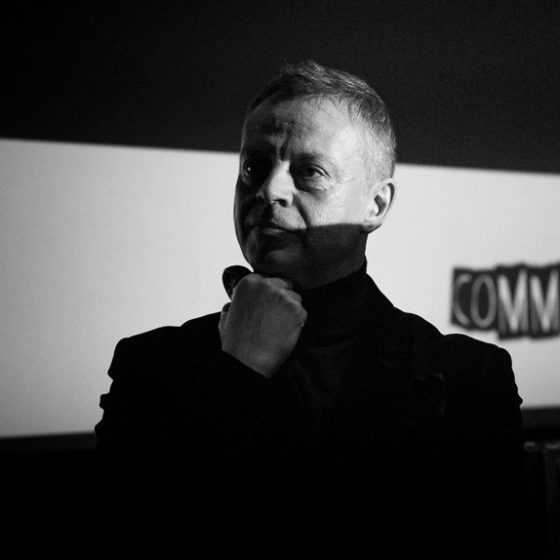
Find out more about Darren:
Follow Darren on LinkedIn or visit comms2point0.co.uk to explore resources and examples.