
Harnessing the writing process for positive change
In conversation with:
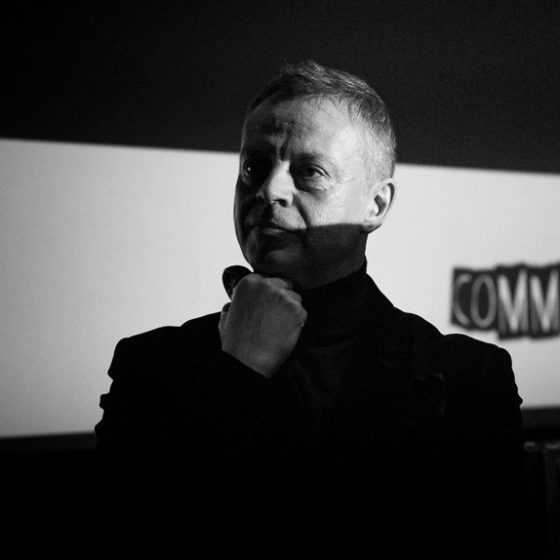
Rebecca Hurst, Lecturer in creative writing at the University of Manchester, writer and opera maker
Creative writing might seem far from the day-to-day work of a health communicator. But even comms professionals can harness the well-being benefits of intentional writing, argues Rebecca Hurst. Rebecca explains the benefits of creative writing in health and care settings and offers tips to shift how we work, reflect and connect.
How has your background shaped your work?
I always wanted to be a doctor as a child, but it wasn’t the right academic path for me.
After an undergraduate degree in history and Russian, I did an MA in creative writing for personal development, which focused on creative writing in the context of health, education and therapy. After a few years teaching community-based creative writing workshops, I did PhD in Creative Writing.
Along the way, I’ve always done my own writing. I struggled with mental health in my teens and used writing as a way of supporting myself. And I noticed that many people drawn to creative writing groups were managing health conditions – physical or mental. I wanted to work with and learn from them.
Why did you make the switch to the public sector?
When I started my PhD, I began working with Manchester University’s Centre for New Writing, delivering workshops in community settings.
Then I was offered a postdoctoral fellowship researching creativity and well-being with Lime Arts – a hospital-based arts organisation. That involved going into hospitals and working on wards with staff and patients, doing practise-based research, which involved running and then reflecting on creative writing activities.
My research built on work that’s been going on in the UK since at least the 1980s—using creative practices in health settings as a tool for well-being. There’s a wealth of evidence showing that creativity – and especially creative writing – enhances and supports well-being.
I also explored how poetry and other forms can help people make sense of embodied experiences – like hospitalisation or working in a hospital – and express things that people find difficult to say.
One nurse told me, “Through poetry you can say things that can’t be said any other way.” You can tell things at a slant, find other ways of saying things without being literal, but still communicate what you’re feeling.
What is the most important principle in your work?
Writing as a means of building connections. In healthcare, the hierarchy and systems are there to protect patients and keep things running. But they can be very dehumanising for staff and patients. They create a sense of separation between ‘the doer’ and ‘the done to’, as well as barriers within teams.
In moments where people do something creative together, those hierarchies fall away – even if just briefly. That’s powerful and beneficial for everyone involved.
I’ve run workshops for different departments like diabetes, sexual health, and paediatric oncology. They allow teams to get to know each other differently – to share, laugh, and discover new things about each other. That playfulness is vital to creativity but it often gets lost in the serious environment of healthcare. Reintroducing it – even just for a couple of hours – can improve team cohesion and mental health.
What trends are you seeing in healthcare?
Most of the people I work with are feeling enormous amounts of stress. This is now compounded by the idea that they need to maintain well-being, too, so they can keep working.
Providing time to reflect is one way to help with that – especially in company, where others really listen and respond. That sense of being heard, or someone saying, “I felt that too” is huge. It’s rare in work environments to have that kind of emotional openness.
This focus on mental well-being runs through all of my work, including my teaching. A lot of the students I work with are dealing with mental health issues, so this creative well-being angle informs every aspect of what I do.
What are the biggest misconceptions you see in your work?
Most people I’ve met in hospitals already value the arts. That might be because Manchester has such a well-established arts-for-health programmes. The problem is more often logistical – people want to participate, but can’t always get time away from the ward, even for 15 minutes.
Healthcare organisations need to create work environments that are sustainable if they are to retain good people – and there’s really strong evidence that creativity can help prevent burnout.
What’s on the horizon for you?
As well as my teaching work, I’m writing some fairy tales set in Manchester, I’m touring an opera called Voices of the Sands, which is about a sandbar off the Kent coast, and I’m working with humanities colleagues around how creative work can help engage people with climate crisis.
My work gives me hope. We live in such a complicated world and these moments of connection – sitting in a group, writing and sharing – remind me what’s possible when we take a moment to pause.
Three tips from Rebecca:
1. Reconnect with what drew you to writing in the first place. As a communicator, you need to meet the brief – but if you honour the process, it can nourish you too.
2. Jot down new ideas by hand Because it’s slower and more physical, it connects hand, eye, and brain. That embodied attunement might shift something.
3. Bypass your inner critic with free writing Timed writing, without stopping or self-editing, helps uncover what you really want to say and lets surprising ideas emerge. Use it to prepare for writing, meetings or presentations.