

Communicating impact across complex partnerships
The Mid and South Essex Anchor programme helps organisations across health, local government, business and VCSEs tackle health inequalities. But explaining the impact of such a complex programme isn’t straightforward. We worked with the Anchor team to develop a magazine-style impact report format to set out a clear strategic narrative – building credibility, supporting funding conversations and attracting national attention.
The project
Reducing Inequalities Through Anchor – impact report | Mid and South Essex Integrated Care System/Mid and South Essex NHS Foundation Trust
The problem
The anchor approach is well established but still not widely understood – yet its success depends on collaboration across multiple organisations. The Anchor team at Mid and South Essex NHSFT were not short of evidence of impact, but the sheer breadth of activities and players involved made it difficult to communicate the bigger picture.
The team needed to do much more than document individual projects: they needed to explain a complex concept, show the value of partnership working (not least, for future funding), celebrate alongside their partners, and inspire others to adopt similar approaches.
The solution
The challenge wasn’t a lack of evidence – it was shaping a clear narrative. So, rather than producing a traditional annual report, we created a magazine-style publication that balanced strategic context with human stories. The report combined:
- clear strategic narrative to guide people through the programme
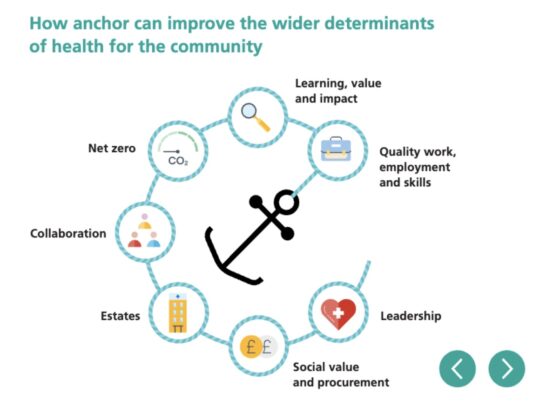
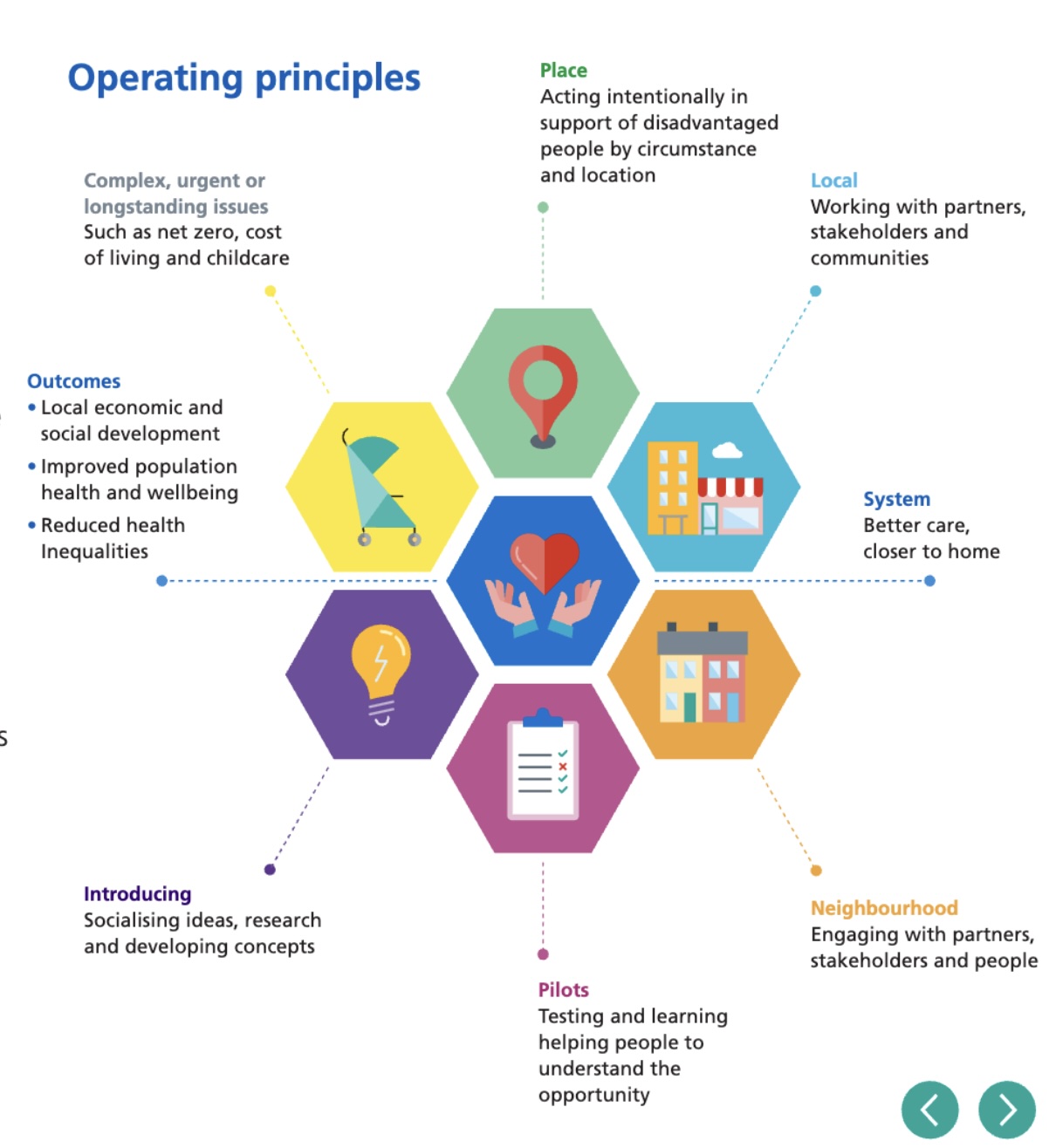
- infographics to simplify complex information
- case studies demonstrating impact on local communities
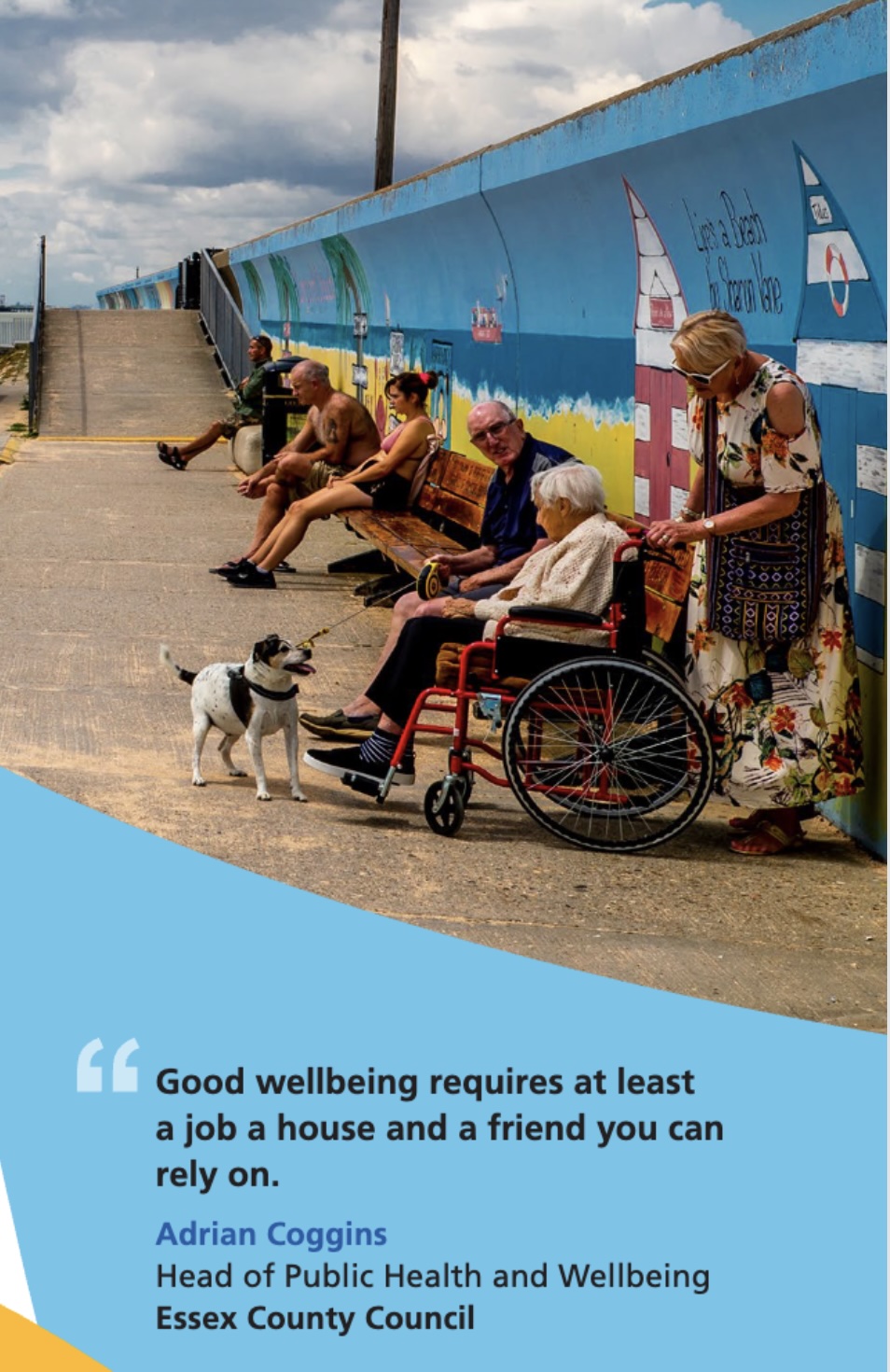
- photographs and quotes from real people, to bring the work to life
- a clean, engaging design to hook people in and encourage them to keep reading.
By highlighting the connections between projects rather than telling many separate stories, the reports helped readers understand how the different initiatives combined to reduce health inequalities across the system.
“We wanted to produce a resource that was much more than a record of what we’d achieved. Eleanor quickly understood the detail and the bigger picture, helping us shape a resource with a clear purpose. The end result was a practical communications tool that explained the Anchor programme clearly and provided a compelling way that we, and our community partners, could tell our story.”
Kevin Garrod Head of Anchor Programme | Local Value Lead, Mid and South Essex NHS Foundation Trust
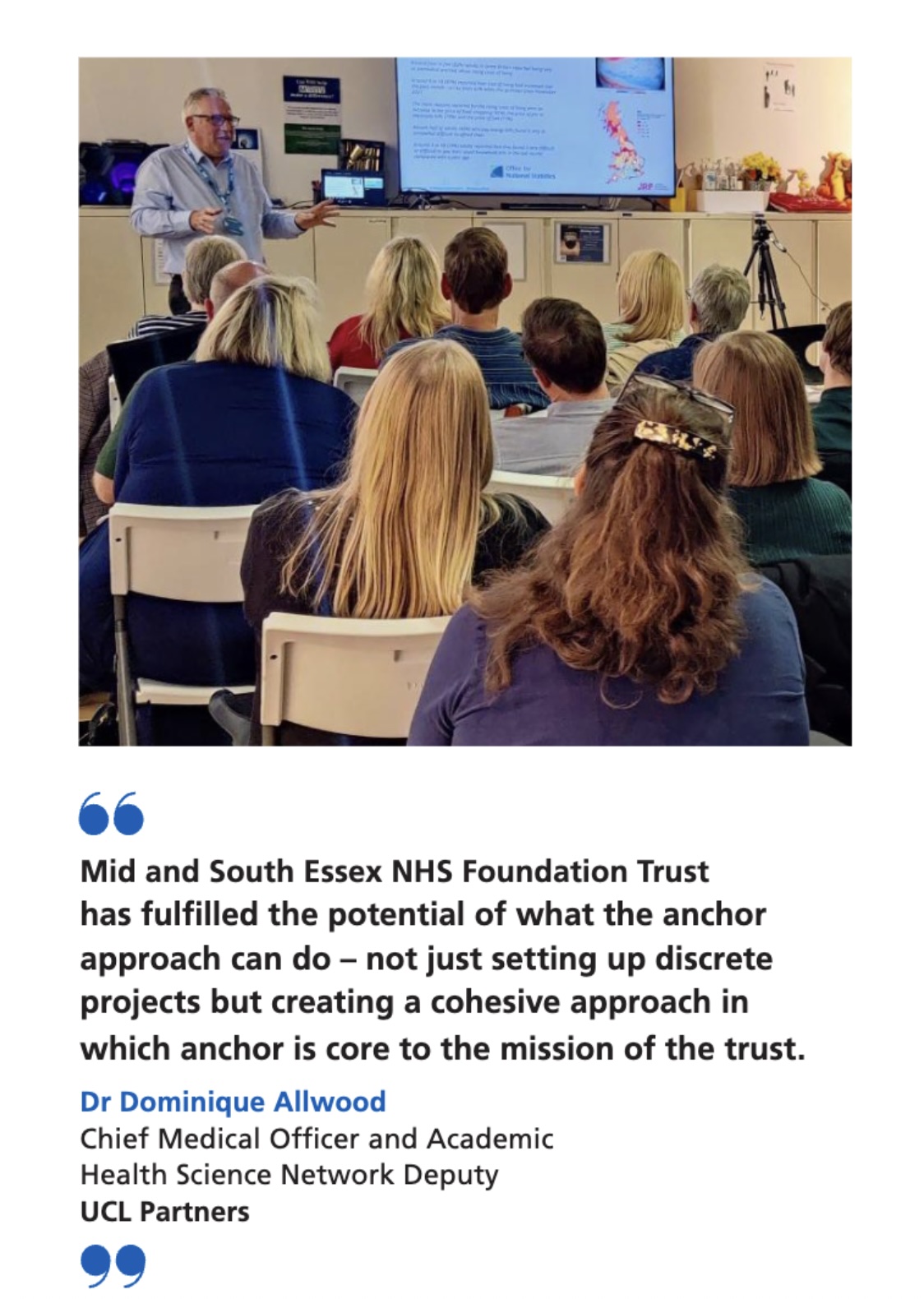
Just some ways the report has been used
- To introduce the Mid and South Essex NHSFT Anchor programme to new leaders
- Demonstrate value to boards, partners and national organisations
- To support funding and partnership conversations
- To enable partners to showcase their contribution and share learning
- To share success of the programme in national reports, presentations and conferences
- To provide a source of good news stories and a sense of collective identity spanning the Trust and its local partners
How we did it
Following the Double Diamond model, the project moved through four stages:

- Discover
I worked closely with the programme team to understand the practical activity taking place across the system and the wider policy context. We then identified the key messages different audiences needed to understand. One early insight was that many found it hard to see how individual projects contributed to the wider programme of system change.
- Define
I brought in designer Glen Birchall from the outset, developing a magazine-style approach that would make the publication feel engaging rather than corporate. We mapped out the narrative, identifying where data, photography, case studies and visual elements would work together to explain complex ideas as simply as possible.
- Develop
Working iteratively with the client, we distilled a large volume of information into a clear strategic narrative. We carefully selected examples that illustrated the wider themes while ensuring the report reflected the contribution of the many partners involved. - Deliver
The finished publication combined engaging writing with careful design to create a report that is genuinely read, shared and referred back to.
The report continues to be used as a practical communications tool to introduce the programme to new stakeholders, explain the anchor approach and support conversations about partnership working.
“I send it out three or four times a week.”
Learning points
- Treat design as part of the thinking process – Design is about much more than making a publication look attractive. On projects like this, words and visuals need to work together to help readers understand complex relationships, systems and ideas. Bringing a designer into the thinking from the outset meant we could develop diagrams, layouts and infographics that genuinely clarified the story.
- Collaborate with subject-matter experts – No communications specialist can know every project in depth. Programme lead Kevin Garrod’s detailed knowledge of the programme, the organisations involved and the people behind the work meant he could identify the strongest examples, make introductions and ensure the stories reflected the reality of partnership working.
- Understand the political landscape – Multi-partner programmes involve different priorities, perspectives and sensitivities. Producing a publication that gives everyone a sense of ownership requires careful listening, diplomacy and the ability to balance different voices while maintaining a clear narrative.
- Don’t assume everyone speaks the same language – Health, local government, VCSEs and communities often use the same words to mean different things. Testing messages with different audiences helped ensure the reports felt relevant, accessible and meaningful across organisational boundaries.
- Help people unpick the detail to find the bigger picture – One of the biggest challenges here wasn’t deciding what to include, but showing how dozens of seemingly separate initiatives contributed towards shared outcomes. Effective impact reporting involves highlighting connections between different activities and showing why they matter.
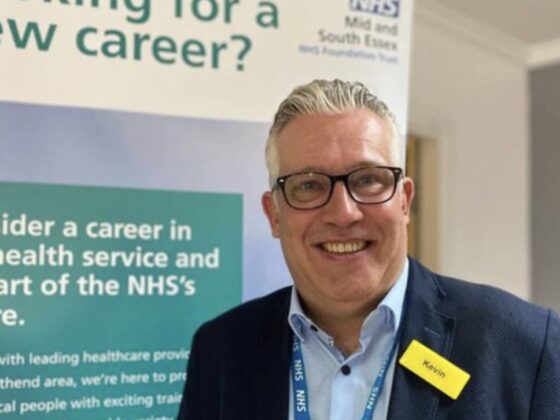
“Our impact report has become central to how we communicate the programme. I send it out three or four times a week – to new partners, national organisations and colleagues wanting to understand our work.
It’s supported presentations through the NHS Confederation, the Royal Society of Medicine and the Health Foundation, helped us advise other trusts developing anchor programmes, and strengthened our credibility when building partnerships and attracting investment.”